Thanksgiving, a cherished holiday steeped in tradition and warmth, is a time when families gather around the table to share a feast and express gratitude for the year's blessings. This year, as the leaves turn golden and the air carries the promise of winter, the cost of this quintessential American meal is projected to be more affordable than the previous one, offering a silver lining amidst the economic challenges faced by many households.
The American Farm Bureau Federation (AFBF), in its annual Thanksgiving survey released on Wednesday, revealed that the average expenditure for a Thanksgiving feast for ten individuals is $58.08, equating to approximately $5.80 per person. This marks a 5% reduction from 2023, a decline that is welcomed by families who have been grappling with the impact of high inflation. The survey, a comprehensive assessment of the cost of 12 common items typically used in a Thanksgiving dinner, indicates that despite the economic headwinds, there is a glimmer of relief as the holiday season approaches.
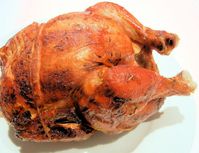
The turkey, the centerpiece of the Thanksgiving table, has played a significant role in reducing the overall cost of the meal. The average price for a 16-pound turkey has dropped to $25.67, a 6% decrease from the previous year. This decline, as Bernt Nelson, an economist at the AFBF, explained, is due to the American turkey population being at its lowest since 1985 due to avian influenza, coupled with a decline in overall demand. This供需变化 has led to reduced prices at grocery stores, offering families a respite as they prepare for the holiday feast.
The Thanksgiving meal, as defined by the AFBF, encompasses a variety of items, most of which have experienced a price decrease, reflecting the fluctuating prices of crops this year. Whole milk has seen a significant drop of more than 14% from the previous year to $3.21 per gallon, a result of more favorable weather conditions for dairy farmers and their cattle. Frozen peas have also seen a drop of 8.1% to $1.73 per pound, while celery and carrots have decreased by 6.4%. These reductions are a testament to the unpredictable nature of agricultural production and the impact of weather on crop yields.
However, not all items have seen a decrease in cost. Cubed stuffing and dinner rolls have both increased by 8% due to higher labor expenses, as reported by the AFBF. This increase underscores the ongoing challenges faced by the food industry, where labor costs continue to rise. Cranberries have witnessed the most significant increase, with a nearly 12% rise year-over-year. The average price for a fresh bag of cranberries this year is $2.35, aligning more closely with historical pricing after a substantial decrease last year.
Zippy Duvall, president of the AFBF, commented on the survey's findings, stating, "We are witnessing modest improvements in the cost of a Thanksgiving dinner for the second consecutive year, yet American families, including those involved in farming, continue to grapple with the impact of high inflation." According to October Consumer Price Index inflation data, Americans are paying 22% more for groceries compared to when President Joe Biden assumed office in January 2021. This stark increase has made grocery prices a primary concern for many Americans, influencing their voting decisions and shaping the national discourse on the economy.
Although there may be a further slowing of price increases, there is no expectation that prices will revert to their previous levels. The AFBF's volunteer shoppers scrutinized prices both in-store and online from November 1 through 7 across all 50 states and Puerto Rico, seeking out the most competitive deals. This assessment was conducted prior to the majority of grocery store chains offering whole frozen turkeys at reduced prices, as noted by the AFBF. This timing is crucial, as it suggests that Americans may still have the opportunity to secure better prices, particularly for turkeys, the star of the Thanksgiving table.
The survey also revealed that the cost of Thanksgiving dinner items can vary significantly based on geographical location. The most affordable Thanksgiving dinner was found in the South, costing $56.81, followed by the Northeast, the Midwest, and then a considerable increase in the West, where the average cost stands at $67.81. This regional disparity highlights the diverse economic conditions across the United States and the varying costs of living that influence the price of goods.
In conclusion, the AFBF's Thanksgiving survey offers a snapshot of the economic landscape, reflecting both the challenges and the opportunities faced by American families as they prepare for the holiday season. While the cost of Thanksgiving dinner is projected to be more affordable this year, it remains 19% more expensive than the period preceding the pandemic.
This increase is a reminder of the ongoing impact of inflation on the daily lives of Americans. As families gather to give thanks, they do so against a backdrop of economic uncertainty, yet the modest improvements in the cost of the holiday meal offer a glimmer of hope amidst the challenges. The Thanksgiving table, with its bounty of food and company, remains a symbol of resilience and gratitude, a reminder that even in times of change, there are constants to be cherished and celebrated.

By Sophia Lewis/Nov 22, 2024

By William Miller/Nov 22, 2024

By Joshua Howard/Nov 21, 2024
By Victoria Gonzalez/Nov 21, 2024

By Michael Brown/Nov 21, 2024

By George Bailey/Nov 21, 2024

By Eric Ward/Nov 21, 2024

By Jessica Lee/Nov 21, 2024

By William Miller/Nov 21, 2024

By Emily Johnson/Nov 21, 2024

By Victoria Gonzalez/Nov 21, 2024

By Noah Bell/Nov 21, 2024

By Sarah Davis/Nov 19, 2024

By Samuel Cooper/Nov 19, 2024

By Jessica Lee/Nov 19, 2024

By Benjamin Evans/Nov 19, 2024

By Eric Ward/Nov 19, 2024

By Emily Johnson/Nov 19, 2024

By Victoria Gonzalez/Nov 19, 2024

By Sophia Lewis/Nov 19, 2024