7 Evidence-Based Methods to Reduce Stress in Just 10 Minutes

Dec 10, 2024 By Michael Brown

Take a moment to breathe in deeply, then exhale fully. How often have you truly taken a deep breath lately? In our fast-paced world, we're constantly juggling phone notifications, work tasks, family commitments, and personal errands, often forgetting to breathe fully, let alone be present. The relentless pace of our modern lives and the packed nature of our social and professional calendars are taking a toll on our mental health: nearly one in five adults report that their mental health has deteriorated since 2019, according to the American Psychological Association's Stress in America™ 2020 survey. This decline is primarily attributed to heightened stress, anxiety, and pervasive uncertainty about the future. While seeking professional assistance for severe mental health issues is advisable, small, everyday changes can significantly alleviate stress. But first, what is stress, and what role does it play in our lives?

Stress, as explained by Heather Z. Lyons, Ph.D., a licensed psychologist and founder of the Baltimore Therapy Group in Towson, Maryland, can elevate blood pressure, induce feelings of being rushed or fatigued, and may lead to harmful physical effects over time. However, stress serves an evolutionary purpose. It signals our bodies to prepare for potential threats. In response, our bodies release stress hormones like adrenaline, which can trigger a range of reactions, including constricted vision, accelerated heart rate, and muscle tension. Occasionally, this stress response can be beneficial. Yet, chronic stress can gradually harm the body, causing migraines, digestive problems, sleep disturbances, and even leading to stress-induced eating, among other issues.

Below are seven science-backed stress-relief techniques that can provide quick relief:

1. Deep Breathing

Dr. Lyons advocates for deep, diaphragmatic breathing as a method to regain focus, which can be practiced in mere seconds. Research supports this approach: a study in the journal Cognition and Emotion showed that distinct emotional states are linked to specific respiratory patterns, often characterized by rapid and shallow breathing. Conversely, deep breathing increases oxygen flow to the brain and may reduce cortisol levels, the hormone associated with stress. To practice this, inhale slowly and deeply through your nose for a count of five seconds. Then, engage your diaphragm—the muscles at the top of your abdomen that draw air into your lungs and push it out—and exhale slowly to fully empty your lungs.

2. Progressive Muscle Relaxation

If you've attended a meditation class, you might be familiar with this technique. Progressive muscle relaxation involves a systematic process of tensing and releasing muscle groups throughout your body, typically starting from your toes and moving up to your head, or vice versa. "When we're stressed, our bodies physically respond by tensing muscles. Relaxing these muscles is incompatible with stress, so engaging in muscle relaxation can lead to a more relaxed state," Dr. Lyons explains.

3. Embrace Yoga

Slow flow yoga, such as yin yoga or yoga nidra, can be particularly beneficial. These practices involve holding poses, tensing muscles, and then releasing them while breathing deeply and slowly. Just 10 minutes of this can help calm your fight-or-flight response and disrupt the body's stress mechanisms. Studies have shown that yoga can enhance well-being, improve body image, reduce irritability, and decrease stress, anxiety, and depression.

4. Organize Your Space

Some happiness experts suggest that outer order can lead to inner calm and happiness. A study in the journal Mindfulness supports this idea, indicating that participants who washed dishes felt more mindful and positive than those who did not clean. Whether it's washing dishes, folding laundry, wiping countertops, or vacuuming, dedicating time to a single task can provide a sense of accomplishment and relieve the burden of future tasks.

5. Aromatherapy

Tension and anxiety often manifest physically, but our other senses can help counteract stress. Try inhaling essential oils or other nostalgic scents, such as those from a batch of your grandmother's favorite cookies, to alleviate stress. This form of aromatherapy is backed by science and may be particularly beneficial for certain individuals. The following scents are known to be most effective for stress reduction:

6. Spend Time Outdoors

The phrase "needing a breath of fresh air" is more than just an idiom; it has scientific backing. Since most people spend the majority of their time indoors, stepping outside for a breath of fresh air can significantly alter your neurochemistry. Research has shown that as little as 10 minutes spent sitting or walking in nature can help reduce stress and improve mental health.

7. Practice Gratitude

When stress feels overwhelming, it can seem like the world is against you. To combat these feelings of being overwhelmed, write down three to five things you're grateful for, or pen a thank-you note to someone you appreciate. Studies suggest that expressing gratitude can increase happiness and positive emotions, buffer against stress, and may even lead to healthier food choices. This is a prescription we can all get behind!

Recommend Posts
Health

The Top Habit to Break for Better Memory

By Emma Thompson/Dec 17, 2024

While books like "Atomic Habits" and habit-stacking routines have indeed been transformative for many in adopting healthier and more fulfilling lifestyles, the monotony of repeating the same routines can lead to a mental rut. This rut not only stifles creativity but may also have adverse effects on cognitive function and memory. Surprisingly, this isn't just speculation; it's supported by scientific research. Let's delve into why breaking free from habitual patterns is crucial for cognitive health.
Health

Exploring the Impact of Cold Plunges on Your Body

By Olivia Reed/Dec 17, 2024

Diving into icy waters is an exhilarating experience that challenges one's sense of thermal comfort. Despite the chilling prospect, many individuals embrace this polar bear-like behavior for health benefits, as evidenced by the popularity of cold water immersion challenges among athletes and influencers. Submerging oneself in frigid water is believed to alleviate post-exercise muscle pain, inflammation, and stress. However, is this practice all it's cracked up to be, or does it come with risks such as hypothermia? Let's explore the advantages and potential hazards of cold water immersion, also known as cold plunges or ice baths.
Health

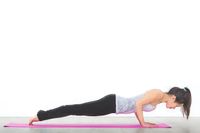
How to Make Friends with the Plank Exercise for Core Strength

By Emma Thompson/Dec 17, 2024

Planks: A Versatile Exercise for All Ages
Health

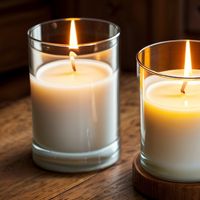
Are Scented Candles Harmful? What the Science Says

By Lily Simpson/Dec 17, 2024

The Health Impact of Candle Emissions: A Closer Look at Traditional and Eco-Friendly Options
Health

EPA Accused of Allowing Toxic Chemicals in Black Plastic Products to Spread, Lawsuit Claims

By Benjamin Evans/Dec 17, 2024

A recent lawsuit has accused the US Environmental Protection Agency (EPA) of neglecting its duty to shield the public from the hazardous effects of decabromodiphenyl ether, commonly known as decaBDE, a flame retardant. The legal action was initiated on behalf of indigenous communities in Alaska and California, as well as consumer advocacy groups. DecaBDE has been detected in a variety of everyday items, including black plastic kitchen tools, disposable food containers, grocery trays for meat and produce, and children's toys that have been repurposed from electronic waste such as old TVs and computer screens, as per a recent study.
Health

5 Tips for Safer Alcohol Consumption

By Joshua Howard/Dec 17, 2024

As the festive season and New Year's Eve draw near, many of us anticipate indulging in alcoholic beverages during celebrations and social gatherings. However, it's becoming increasingly clear that alcohol's impact on our health is far from beneficial.
Health

Survey Reveals 25% of Parents Use the Threat of No Gifts to Discipline Their Young Children

By Megan Clark/Dec 17, 2024

As the festive season unfolds, and your little one teeters on the brink of mischief and merriment, the looming specter of Santa's gift-giving discretion might seem like a tempting tool to tame unruly conduct. According to a recent C.S. Mott Children’s Hospital National Poll on Children’s Health, unveiled on Monday, a quarter of parents with preschoolers have invoked Santa or the dread of gift-less holidays to address wayward actions. “Navigating the complexities of discipline can be daunting for parents, prompting us to delve into their strategies and the resources they draw upon to make informed decisions about guiding young children,” remarked Dr. Susan Woolford, co-director of the Mott Poll and a pediatrician at the University of Michigan Health in Ann Arbor.
Health

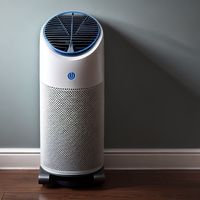
The Air Purifier You Purchased During the Pandemic Might Still Improve Your Breathing Today

By William Miller/Dec 17, 2024

The Covid-19 pandemic and the escalating severity of wildfire seasons have heightened public interest in air purifiers as a means to maintain healthy indoor air quality. However, experts emphasize that air purifiers are not just a temporary solution during crises; they can also be instrumental in managing indoor air pollution under normal circumstances. Air purifiers, initially purchased to combat airborne coronavirus particles, have been shown to reduce allergens and irritants associated with respiratory diseases like asthma.
Health

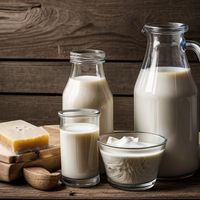
California Sees Increase in Illnesses Linked to Raw Milk Consumption; Health Experts Explain the Risks

By Lily Simpson/Dec 17, 2024

According to the California Department of Public Health, at least 10 illnesses in California have been associated with the consumption of raw milk. However, none of these cases have been confirmed as bird flu infections. The department clarified that since the announcement of several recalls of raw milk due to potential bird flu contamination, they have received reports of illnesses from 10 individuals who had consumed raw milk. Preliminary testing by county and state public health laboratories has not detected any positive cases of bird flu among these individuals, as stated by a spokesperson on Thursday. Further details regarding the 10 illnesses were not immediately disclosed by the department. Additionally, health officials in Northern California are probing a potential bird flu case in a child who fell ill after consuming raw milk in November, as reported by Marin County Public Health on Tuesday. The child, after drinking raw milk, presented with fever and vomiting and was admitted to a local emergency department, testing positive for influenza A. However, the US Centers for Disease Control and Prevention (CDC) announced on Thursday that their tests on samples from the child were negative for influenza.
Health

HPV Testing Recommended Over Pap for Cervical Cancer Screening Starting at Age 30, Draft Guidelines Suggest

By Benjamin Evans/Dec 17, 2024

The US Preventive Services Task Force (USPSTF) has issued a new draft recommendation that proposes testing for high-risk human papillomaviruses (HPV) every five years as the "preferred screening strategy" for cervical cancer prevention, starting at the age of 30. This approach challenges the traditional method of cervical cytology, known as Pap tests or Pap smears, which involves examining cells from the cervix for signs of cancer. The draft recommendation, released on Tuesday, underscores the importance of HPV testing as the primary screening method for women aged 30 to 65, given that the majority of cervical cancers are linked to the HPV virus.
Health

The Role of Salt in Hydration: Does It Enhance Water's Benefits?

By Daniel Scott/Dec 13, 2024

As the summer sun blazes and temperatures soar, it's crucial to keep our bodies well-hydrated by drinking water and including moisture-rich foods in our diets. Lately, a popular trend on social media has influencers advocating for the addition of salt to their water, claiming it enhances hydration and sustains it for longer periods by replenishing electrolytes. Is this approach scientifically sound, and should we all be following suit during heatwaves? Let's delve into the facts and consider the implications before embracing this trend.
Health

How Spicy Food Affects Your Body*

By John Smith/Dec 13, 2024

Spicy cuisines, ranging from Buffalo chicken to kimchi and Tajín, are integral to a multitude of cultures worldwide. The specific type of chili pepper may differ, but the spicy sensation remains a constant. Despite growing up with spicy foods, many may not be aware of their health implications.
Health

7 Symptoms Indicating You May Have Iron Deficiency Anemia

By Lily Simpson/Dec 13, 2024

Iron deficiency anemia is a surprisingly widespread condition. According to a 2021 study published in The Journal of Nutrition, American women are consuming nearly 10% less iron from their diet, while males are consuming about 7% less, leading to a concerning increase in iron deficiencies.
Health

How Much Daily Protein Do You Need?

By Victoria Gonzalez/Dec 13, 2024

Protein is the fundamental building block of life, playing a crucial role in the structure of our hair, nails, muscles, and nearly every cell in our body. It is also a key component in the production of hormones and antibodies. Therefore, ensuring an adequate daily intake of protein is essential for maintaining good health. The specific amount of protein required can vary significantly based on individual factors such as age, health status, physical activity level, and pregnancy. This article will guide you through determining your daily protein needs, calculating your individual requirements, understanding the potential risks of excessive protein intake, and identifying groups that may require additional protein in their diets.
Health

How B-Complex Vitamins Affect Your Body

By Emily Johnson/Dec 13, 2024

Unlocking the Vitality of B-Complex Vitamins: A Symphony of Energy and Health
Health

6 Good Things That Might Be Harmful to Your Immune System

By George Bailey/Dec 10, 2024

The Paradox of Immune Health: When 'Good' Isn't Always Good
Health

The Top Habit to Adopt Now to Lower Your Risk of Dementia

By Emily Johnson/Dec 10, 2024

Although the conversation around disease prevention frequently gravitates towards heart disease and cancer, the topic of brain health often takes a back seat. This might be attributed to the fact that, according to the Centers for Disease Control and Prevention, heart disease is the leading cause of mortality in the United States, with cancer following closely behind. However, Alzheimer's disease, a form of dementia, is not far behind, ranking seventh. Dementia encompasses a decline in memory, reasoning, and other cognitive abilities, with Alzheimer's being a specific brain condition that constitutes the majority of dementia cases. It affects nearly 7 million individuals in the U.S., as reported by the Alzheimer's Association. Similar to other diseases, genetic factors can play a role in the risk of Alzheimer's, but research indicates that adopting a healthy lifestyle can mitigate the risk of dementia, irrespective of genetic predisposition. It is beneficial to begin practicing these habits as early as possible, given that the brain changes leading to Alzheimer's can initiate two decades before any symptoms manifest. Risk factors for dementia include insufficient physical activity, smoking, excessive alcohol consumption, obesity, high blood pressure, diabetes, depression, and hearing loss. With such a comprehensive list of risk factors, it's essential to identify where to begin. Read on to discover how you can enhance your brain health starting today.
Health

The Top Action to Take for Reducing Breast Cancer Risk

By Samuel Cooper/Dec 10, 2024

Breast cancer is a pervasive health issue affecting a significant number of people in the United States. With the likelihood of one in eight women being diagnosed at some point in their lives, it's essential to recognize the various factors that can contribute to the development of this disease. It's important to note that men are not immune to breast cancer either, accounting for about 1% of all cases diagnosed in the U.S. While certain non-modifiable risk factors, such as genetics, are inherent and cannot be altered, there is a growing understanding of lifestyle changes that can potentially reduce the risk of developing breast cancer. Despite the uncontrollable elements like age, family history, and genetic mutations, numerous modifiable factors can make a significant difference. Among these choices, experts highlight one habit as paramount for reducing the risk of breast cancer.
Health

Morning Walks Can Provide Significant Mental Health Benefits

By Olivia Reed/Dec 10, 2024

Starting your day with a positive mindset can set the stage for a successful and uplifting day. When it comes to mental well-being, a healthy morning routine is crucial in enhancing your mood. However, with the plethora of information available online, it can be challenging to discern which morning habits are most beneficial for your mental health. Fear not, as this article will guide you through the top habit to incorporate into your morning routine for stress and anxiety management, as well as boost your energy levels. We will also share additional practical tips to elevate your mood, ensuring you wake up each day feeling refreshed and ready to conquer the day.
Health

7 Evidence-Based Methods to Reduce Stress in Just 10 Minutes

By Michael Brown/Dec 10, 2024

Take a moment to breathe in deeply, then exhale fully. How often have you truly taken a deep breath lately? In our fast-paced world, we're constantly juggling phone notifications, work tasks, family commitments, and personal errands, often forgetting to breathe fully, let alone be present. The relentless pace of our modern lives and the packed nature of our social and professional calendars are taking a toll on our mental health: nearly one in five adults report that their mental health has deteriorated since 2019, according to the American Psychological Association's Stress in America™ 2020 survey. This decline is primarily attributed to heightened stress, anxiety, and pervasive uncertainty about the future. While seeking professional assistance for severe mental health issues is advisable, small, everyday changes can significantly alleviate stress. But first, what is stress, and what role does it play in our lives?